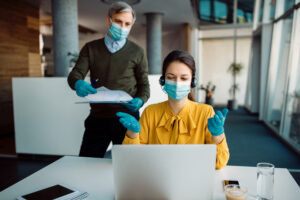

A clean workplace directly impacts employee productivity, client impressions, workplace safety, and overall business efficiency. For busy office managers, maintaining cleanliness throughout the workday can feel overwhelming, especially in high-traffic office environments. Without a structured process, clutter accumulates quickly, germs spread easily, and employee morale can decline.
Implementing a reliable daily office cleaning checklist helps businesses maintain a professional environment while reducing distractions and improving hygiene standards. Consistent cleaning also supports healthier workplaces by minimizing dust buildup, bacteria, and allergens in shared spaces.
This guide outlines a practical and efficient approach to daily office cleaning, including workspace disinfecting routines, breakroom cleanup practices, restroom sanitation standards, and quick office cleaning tips that help office managers stay organized without disrupting daily operations. Businesses that partner with professional providers like Sonlight Cleaning can also ensure consistent hygiene standards and a more professionally maintained workplace environment.
Why a Daily Office Cleaning Checklist Matters
Office cleanliness influences far more than appearance. Employees spend long hours in shared spaces where bacteria and viruses can spread rapidly through frequently touched surfaces such as keyboards, door handles, desks, and conference tables.
A structured daily office cleaning checklist provides several important benefits:
- Creates a healthier work environment
- Improves employee productivity and focus
- Enhances professional appearance for clients and visitors
- Reduces workplace odors and clutter
- Extends the lifespan of office furniture and equipment
- Helps maintain compliance with workplace hygiene standards
Busy offices require routine attention because even minor neglect can quickly lead to larger sanitation problems.
Prioritize High-Traffic Areas First
The most effective cleaning strategies focus on high-traffic areas where dirt and germs accumulate the fastest. Office managers should ensure that these spaces receive daily attention before lower-priority areas.
Key high-traffic areas include:
- Reception areas
- Conference rooms
- Shared workstations
- Breakrooms
- Restrooms
- Elevator buttons and door handles
- Printer and copier stations
Daily maintenance of these locations significantly improves overall office cleanliness and reduces the spread of bacteria throughout the workplace.
Reception Area Cleaning Tasks
The reception area creates the first impression for clients, visitors, and potential employees. A cluttered or dirty entrance can negatively affect business credibility.
Daily reception cleaning tasks should include:
- Dusting reception desks and counters
- Sanitizing door handles and touchpoints
- Vacuuming or sweeping floors
- Emptying trash bins
- Cleaning glass doors and windows
- Organizing magazines and brochures
- Disinfecting guest seating areas
Keeping the reception area spotless helps establish a professional and welcoming atmosphere.
Workspace Disinfecting Routines for Employee Desks
Employee workstations contain some of the highest levels of bacteria in an office environment. Regular workspace disinfecting routines help reduce health risks while keeping employees comfortable and productive.
Daily workstation cleaning should include disinfecting:
- Desks and tabletops
- Keyboards and computer mice
- Telephones
- Armrests and chair handles
- Monitor stands
- Shared office equipment
Encouraging employees to maintain personal desk hygiene can also support the overall cleaning process. Providing disinfectant wipes and hand sanitizers throughout the office makes routine maintenance easier.
Proper workspace disinfecting routines are especially important during flu season and periods of increased illness transmission.
Conference Room Cleaning Essentials
Conference rooms experience continuous use throughout the day, often by multiple teams and visitors. These spaces should remain clean, organized, and presentation-ready at all times.
Important daily cleaning tasks include:
- Wiping conference tables
- Sanitizing remote controls and shared devices
- Cleaning whiteboards and markers
- Straightening chairs
- Vacuuming carpets or mopping hard floors
- Removing trash and leftover food items
Clean meeting spaces contribute to more productive discussions and create a positive impression during client meetings.
Breakroom Cleanup Best Practices
The breakroom is one of the busiest shared spaces in any office. Food spills, overflowing trash, and dirty appliances can quickly create hygiene issues if not addressed consistently. In offices with carpeted flooring, regular carpet cleaning is also essential to remove food stains, odors, dust, and bacteria that can accumulate in high-traffic breakroom areas.
An effective breakroom cleanup routine should involve:
- Sanitizing countertops and tables
- Cleaning microwaves and refrigerators
- Emptying trash and recycling bins
- Washing sinks and faucets
- Restocking paper towels and dish soap
- Sweeping, mopping floors, and scheduling routine carpet cleaning
- Removing expired food items
Breakroom cleanup should be performed multiple times throughout the day in larger offices to prevent odors and bacterial growth. Routine carpet cleaning also helps maintain a fresher and more professional office environment by improving cleanliness and indoor air quality.
Office managers can also encourage employees to clean up after themselves by posting simple kitchen hygiene reminders.
Restroom Sanitation Standards
Restroom cleanliness is critical for workplace hygiene and employee satisfaction. Poor restroom sanitation can damage workplace morale and create serious health concerns.
Daily restroom sanitation tasks should include:
- Disinfecting toilets, urinals, and sinks
- Cleaning mirrors and countertops
- Restocking soap, toilet paper, and paper towels
- Sanitizing door handles and stall locks
- Emptying sanitary waste bins
- Mopping floors with disinfectant
- Eliminating odors using proper ventilation and cleaning products
High-traffic offices may require restroom inspections several times per day to maintain cleanliness standards.
Using commercial-grade disinfectants helps ensure proper sanitation and reduces the spread of harmful bacteria.
Quick Office Cleaning Tips for Busy Managers
Office managers often juggle multiple responsibilities, making efficiency essential. Implementing quick office cleaning tips can simplify daily maintenance without consuming excessive time.
Some practical strategies include:
Create a Cleaning Schedule
Assign specific tasks to designated times of the day. Morning cleaning can focus on presentation areas, while afternoon cleaning can address trash removal and disinfecting.
Use Color-Coded Cleaning Supplies
Separate supplies for restrooms, kitchens, and workspaces help prevent cross-contamination.
Keep Supplies Easily Accessible
Store disinfectant wipes, sprays, paper towels, and trash liners in convenient locations throughout the office.
Encourage Employee Participation
Small habits like clearing desks, washing dishes, and disposing of trash properly help maintain cleanliness between scheduled cleanings.
Focus on Frequently Touched Surfaces
Prioritize disinfecting areas that employees touch most often, including keyboards, elevator buttons, light switches, and shared office equipment.
These quick office cleaning tips improve efficiency while helping maintain a consistently clean environment.
Managing Trash and Recycling Efficiently
Overflowing trash bins create unpleasant odors and reduce workplace professionalism. Daily waste management should be part of every office cleaning strategy.
Important waste management practices include:
- Emptying all trash bins daily
- Separating recyclables properly
- Sanitizing trash containers regularly
- Replacing liners immediately
- Removing food waste promptly
Proper recycling systems also support workplace sustainability goals and reduce unnecessary waste buildup.
Floor Cleaning and Maintenance
Office floors accumulate dirt, dust, allergens, and moisture throughout the day. Daily floor maintenance improves appearance and reduces slip hazards.
Different flooring materials require different cleaning approaches:
Carpeted Floors
Vacuum high-traffic areas daily to remove dust and debris. Spot-clean stains immediately to prevent permanent damage.
Hard Surface Floors
Sweep and mop using appropriate cleaning solutions to maintain shine and sanitation.
Entryways
Use floor mats to reduce dirt tracking and clean entrance areas frequently during rainy or dusty conditions.
Consistent floor maintenance contributes significantly to overall office cleanliness.
Air Quality and Dust Control
Indoor air quality affects employee comfort, concentration, and health. Dust accumulation can trigger allergies and reduce HVAC system efficiency.
Daily dust-control practices include:
- Dusting desks and shelves
- Cleaning air vents
- Replacing HVAC filters regularly
- Vacuuming upholstered furniture
- Keeping windows and blinds clean
Improving office air quality creates a more comfortable and healthier work environment.
The Role of Professional Cleaning Services
While in-house maintenance handles many daily tasks, professional cleaning services provide deeper sanitation and specialized expertise.
Professional cleaners can assist with:
- Carpet deep cleaning
- Window washing
- Floor polishing
- High-touch surface disinfection
- Restroom deep sanitation
- Upholstery cleaning
Combining a daily office cleaning checklist with scheduled professional services ensures consistent workplace hygiene and long-term maintenance.
Building a Consistent Cleaning Culture
Maintaining office cleanliness is easier when everyone contributes. Office managers can establish a culture of cleanliness through clear expectations and consistent communication.
Some effective strategies include:
- Sharing office hygiene guidelines
- Encouraging clean desk policies
- Providing adequate cleaning supplies
- Scheduling routine inspections
- Recognizing employees who maintain organized workspaces
A collaborative approach reduces the burden on management while promoting workplace accountability.
Conclusion
An organized and hygienic workplace supports productivity, employee well-being, and professional credibility. Implementing a structured daily office cleaning checklist helps busy office managers maintain cleanliness efficiently without disrupting business operations.
By focusing on workspace disinfecting routines, breakroom cleanup, restroom sanitation, and other high-priority tasks, offices can create healthier and more welcoming environments for employees and visitors alike. For professional support in maintaining a spotless and hygienic workplace, contact us now to learn how Sonlight Cleaning can help keep your office clean, organized, and professionally maintained every day.
Consistent daily maintenance combined with smart cleaning strategies ensures that offices remain professional, sanitary, and productive throughout the workweek.
FAQs
A daily office cleaning checklist should include disinfecting workstations, emptying trash bins, cleaning restrooms, sanitizing breakrooms, vacuuming floors, wiping high-touch surfaces, and restocking hygiene supplies.
Workspace disinfecting routines help reduce bacteria, viruses, and allergens on frequently touched surfaces. This supports employee health and reduces workplace illness transmission.
Office restrooms should be cleaned and sanitized at least once daily. High-traffic workplaces may require multiple cleanings throughout the day.
Quick office cleaning tips include creating a cleaning schedule, focusing on high-touch surfaces, organizing supplies efficiently, and encouraging employee participation in maintaining cleanliness.
Regular breakroom cleanup prevents food contamination, odors, pest issues, and bacterial growth while creating a cleaner and healthier shared environment for employees.